


Introduction and Overview
Imagine a world where every human being could participate equally in the global digital economy. This ideal drives Worldcoin, an ambitious blockchain project aiming to distribute a digital currency to the world's 8 billion people.
Backed by Silicon Valley technologists, Worldcoin seeks to empower the unbanked billions through open financial infrastructure. At its core is a novel approach: using iris recognition biometrics to provide each person with a unique digital identity on its blockchain network.
This verification of personhood, requiring an eye scan, serves as the foundation for equitable access to Worldcoin’s proposed digital currency and financial services ecosystem.
The project faces immense technical hurdles and ethical quandaries. The cryptocurrency space has been plagued by scams and skepticism, so Worldcoin will need to earn trust. Distributing a cryptocurrency globally also invites regulatory scrutiny. User privacy and security are major concerns with biometric identity systems. And the rewards of token ownership and growth must be balanced with principles of financial inclusion.
Worldcoin represents a grand experiment at the intersection of blockchain technology and global development. Its success is far from certain. But its mission of economic empowerment through decentralized finance makes Worldcoin an ambitious initiative worth monitoring as it unfolds.
Token Economics
Worldcoin introduces an innovative token distribution model to incentivize participation and align network growth with token appreciation. The Worldcoin token (WLD) is designed as a utility and governance token for the network. When a user verifies their identity through the Orb, they receive a share of WLD. As more people join the network, the remaining token supply decreases, creating scarcity and potentially driving value. WLD can be used to access financial services in the ecosystem and for voting on network changes once governance is decentralized. Its value is derived from the utility it provides and is not pegged to any external asset like fiat currency. The price of WLD is driven purely by market supply and demand dynamics, with speculation on its future utility likely driving most current demand. As adoption grows, the token could accrue value from the expanded usefulness of its financial service ecosystem and governance privileges. However, achieving network effects is challenging, and adoption is uncertain. Unlike some cryptocurrencies, Worldcoin does not currently have a yield or staking model that generates rewards. The primary way to earn WLD is by verifying an identity.
Worldcoin's Unique Approach
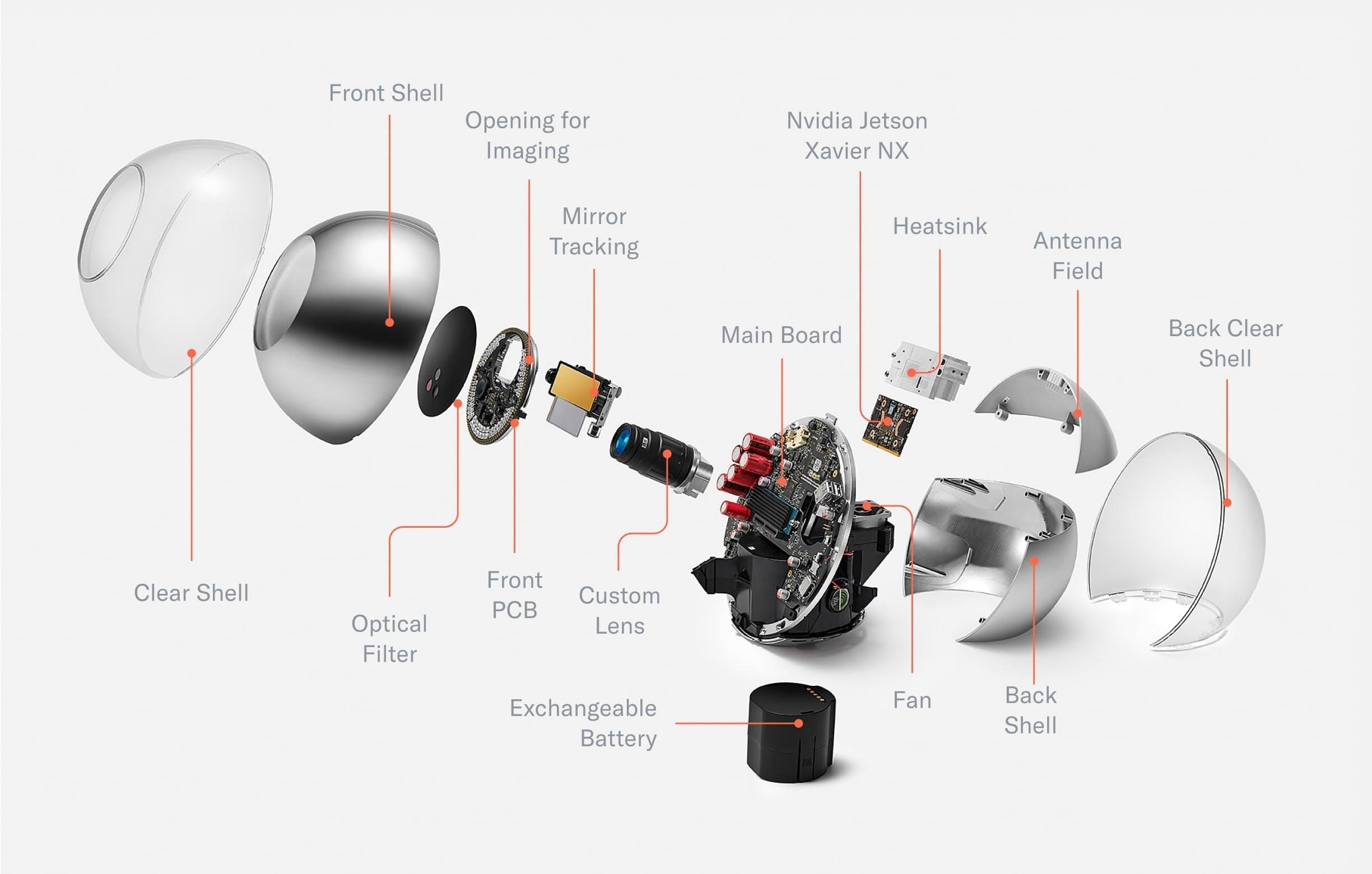
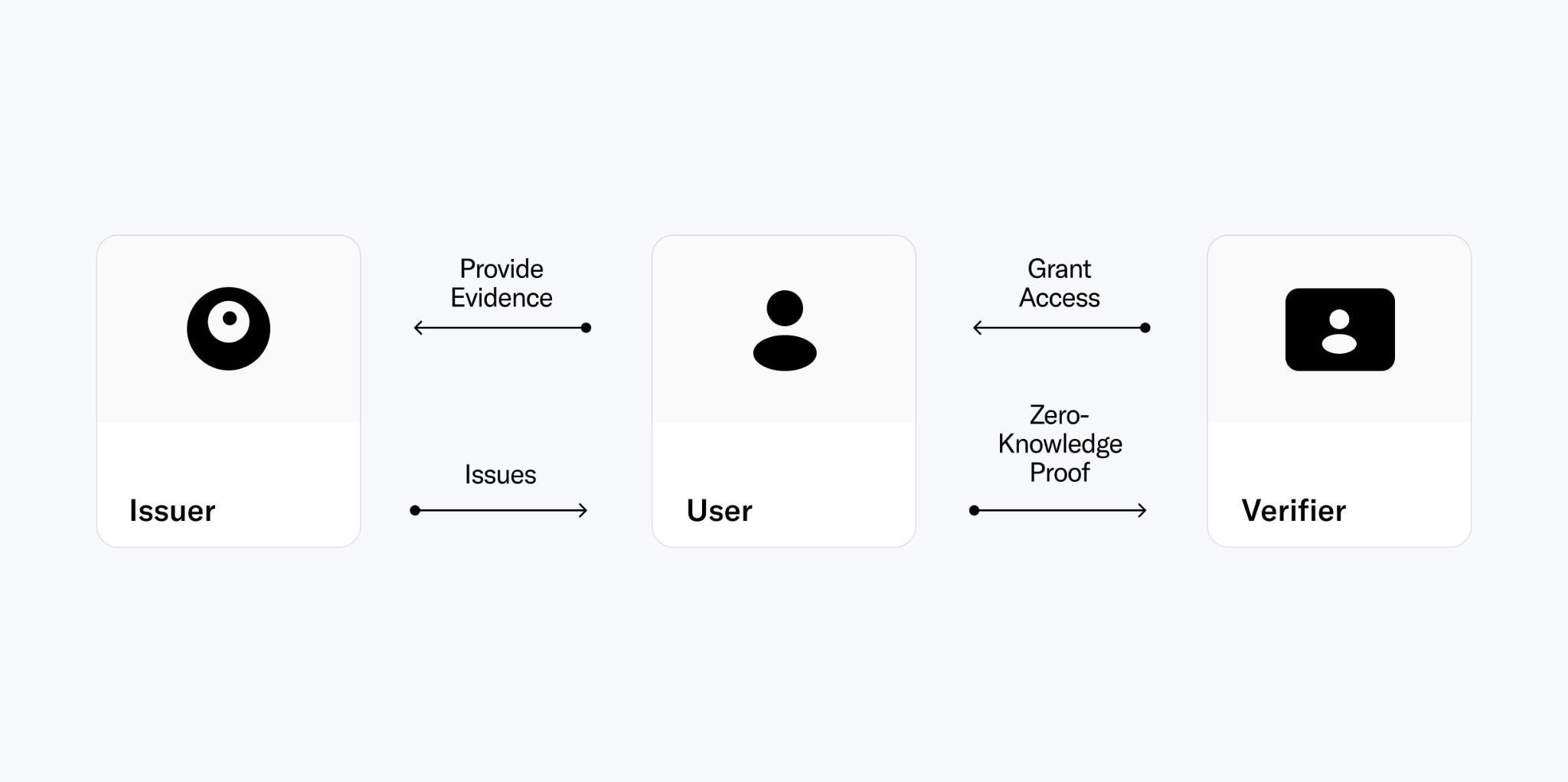
At the core of Worldcoin's approach is a unique device known as the Orb. This isn't your typical piece of tech. The Orb uses advanced iris recognition to establish what Worldcoin calls a ‘Proof of Personhood’. This means that each participant in the network is verified as a unique individual, creating a secure foundation for the Worldcoin network. This approach is designed to prevent fraudulent activity and ensure the integrity of the network.
Decentralization and Governance
In the spirit of true decentralization, much of the Worldcoin Protocol stack is open source. This means that the community has the ability to review, contribute to, and improve the system. But every project needs some form of governance, and for Worldcoin, this comes in the form of the Worldcoin Foundation. This non-profit entity is responsible for guiding the development and maintenance of the Worldcoin Protocol and the Worldcoin App, ensuring the project stays true to its mission.
Challenges and Security Measures
As with any ambitious project, Worldcoin faces its share of challenges. The probabilistic nature of biometrics and the task of authenticating the legitimate owner of a proof of personhood credential are not small hurdles. However, Worldcoin is not taking these challenges lightly. The project has undergone rigorous external audits and is planning to launch a bug bounty program to uncover and address potential vulnerabilities. This proactive approach to security underscores Worldcoin's commitment to creating a safe and reliable network.
Critical Perspectives
Privacy Concerns: One of the biggest questions that arise with Worldcoin is whether people will feel comfortable having their eyeballs scanned. Iris recognition is a biometric technology that is highly personal and invasive to some. While Worldcoin assures that the data is secure and anonymized, the potential for misuse or breaches could be a significant deterrent for many potential users. More transparency around data practices may be needed to assuage concerns.
Cryptocurrency Fatigue: The cryptocurrency market is saturated with thousands of different coins, each promising to be the next big thing. This saturation, coupled with the volatile nature of cryptocurrencies, may lead to a sense of fatigue or skepticism among potential users. People might be wary of adopting yet another cryptocurrency, especially one that requires such a personal commitment. Worldcoin needs a compelling value proposition beyond speculation.
Regulatory Challenges: Cryptocurrencies are still in a gray area in terms of regulation in many countries. The fact that Worldcoin aims to distribute its cryptocurrency globally could lead to regulatory challenges and pushback from governments. This could potentially limit its adoption in certain regions. Proactive government relations will be critical.
Competitive Landscape: Worldcoin is not the only project focused on digital identity and financial inclusion. It faces competition from initiatives like the ID2020 Alliance, Everest, and The Humanized Internet. However, Worldcoin's novel use of blockchain and biometrics differentiates it from these efforts. But execution will be key to succeed in this emerging space.
Technological Barriers: The requirement of a specialized device (the Orb) for identity verification could also pose a challenge. Not only in terms of the logistics of manufacturing and distributing these devices on a global scale but also in terms of user accessibility and ease of use. Iterating on the Orb's design will be important.
The Tokenomics: One glaring unknown about Worldcoin is exactly how the WLD token will accrue and maintain value long-term. Unlike protocols with clear staking or transaction fee models, Worldcoin does not appear to have robust cryptoasset economics designed yet. The token is portrayed as a utility and governance asset, but the specifics are vague. For now, distribution incentives are driving initial demand, but it’s uncertain why demand would persist once distribution ends. For Worldcoin to succeed, the team needs to design, engineer, and communicate persuasive tokenomics and incentives that drive sustainable value creation. The lack of clarity on this vital aspect is troubling for such an ambitious undertaking.
Looking Ahead
The road ahead for Worldcoin is not set in stone. The project's roadmap is dynamic, evolving based on input and feedback from the Worldcoin community. It's important to remember that Worldcoin is experimental in nature. It will likely require that many of the issues brought up in the previous section will need to be seriously tackled for Worldcoin to succeed.
Conclusion
Worldcoin presents an innovative approach to identity verification and global financial inclusion; however, it also raises several questions and challenges that cannot be overlooked. Its success will largely depend on how it navigates these challenges and responds to the concerns of potential users and regulators. With a thoughtful token model and proactive security, Worldcoin has strong foundations, but executing on its ambitious vision will be crucial in differentiating itself in the competitive identity space.
This is a fun article but, what if you don't have eyes?