

https://linktr.ee/DavidMKingsley
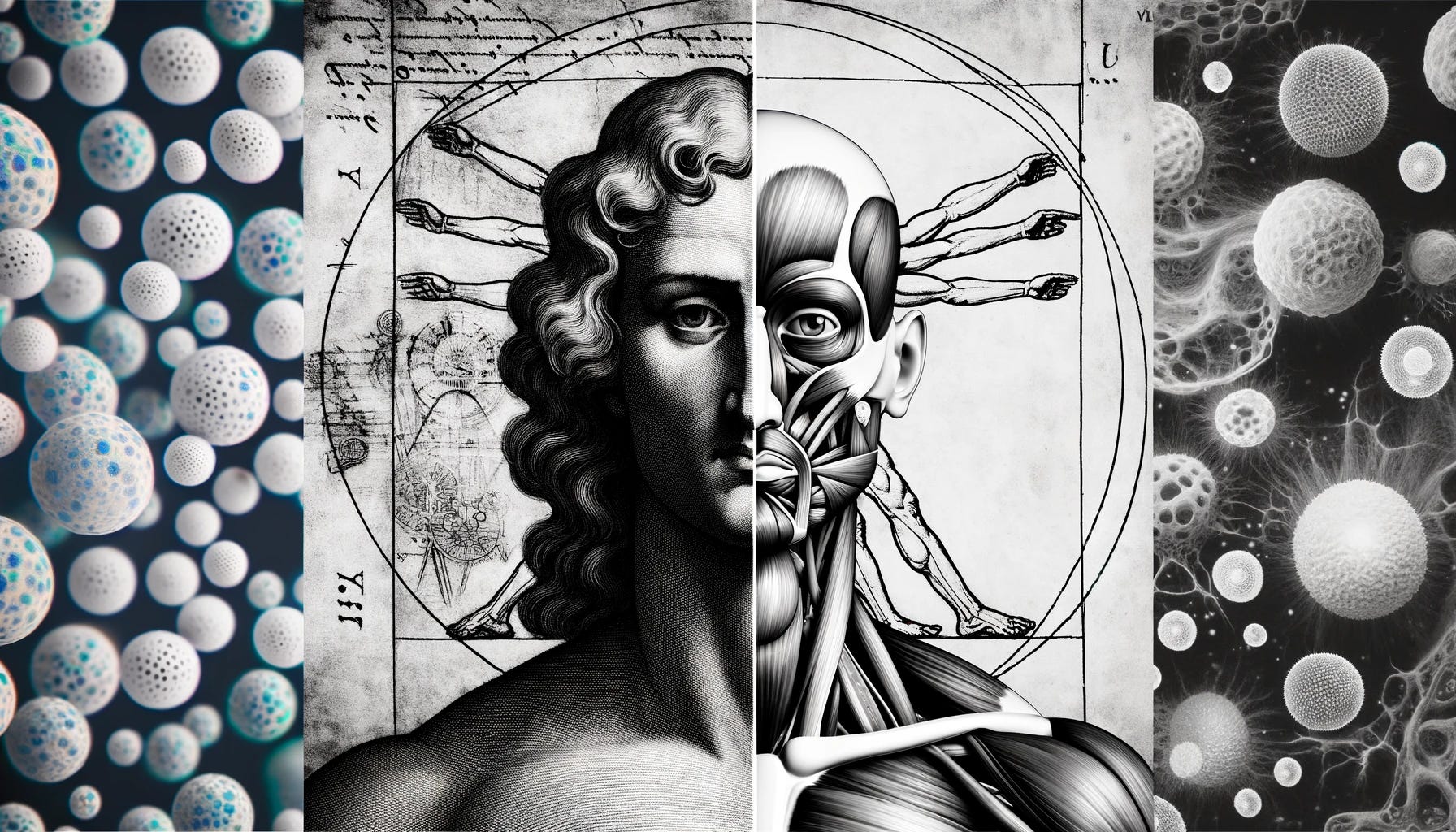
Foreword: Biology is Beautiful to Look at.
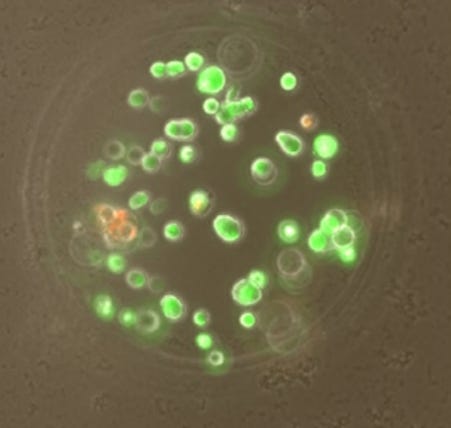
The first time I looked at glowing cells under a fluorescent microscope was an incredible experience. I was in a bioprinting laboratory working on developing a novel laser-based bioprinting platform, which would later become a cornerstone of my PhD work. The goal was to demonstrate that this method could print cells without compromising their viability. In biology, cell viability is often depicted through a live-dead cell stain—living, metabolically active cells glow green, while dead cells with compromised membranes appear red. The stark beauty of these glowing cells was both captivating and exciting. I couldn’t wait to share the results with my lab mates at our next meeting. Yet, the captured images could hardly do justice to the live spectacle (Figure 1). I would later come to find that bringing this beauty to life required a significant degree of skill and creativity in both imaging and image processing.
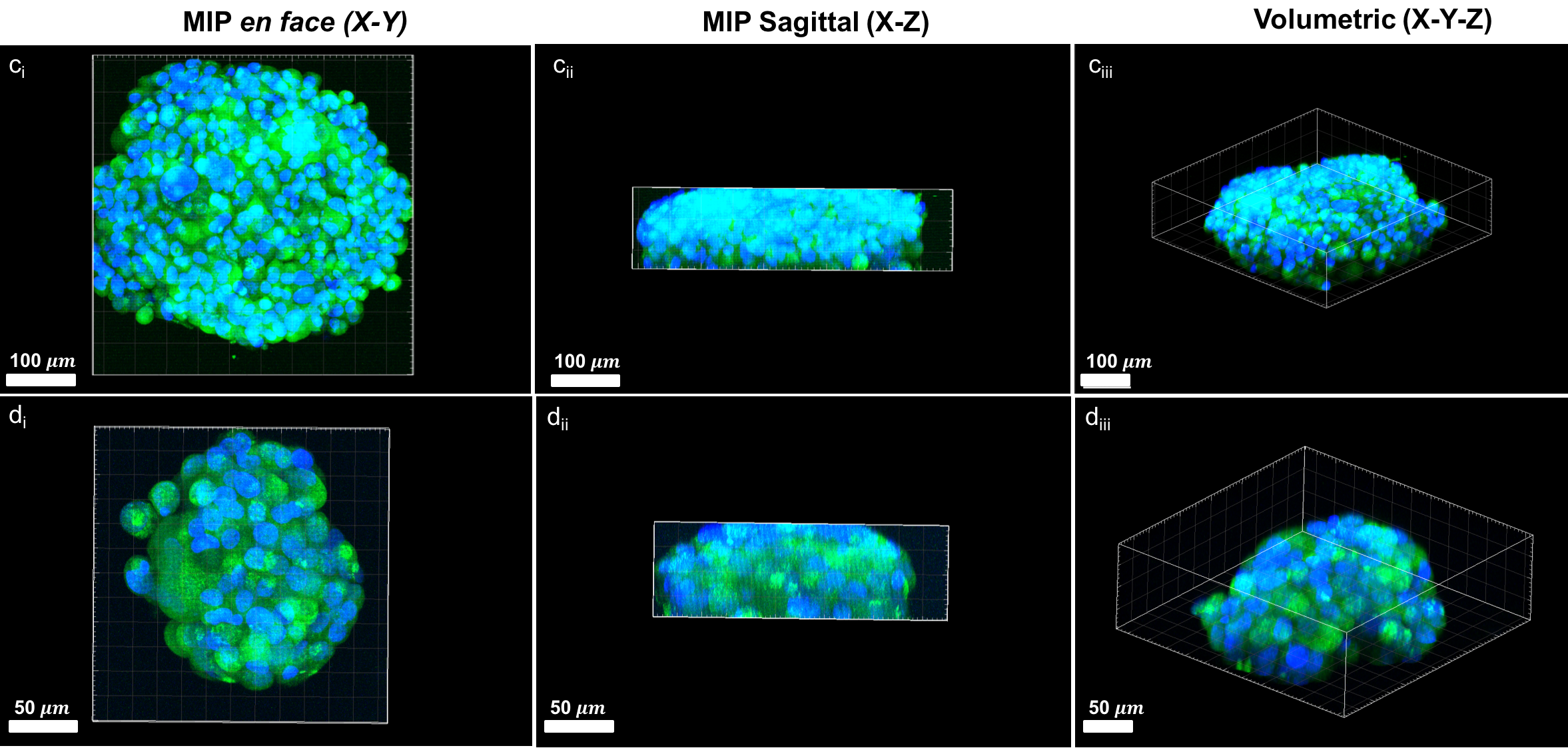
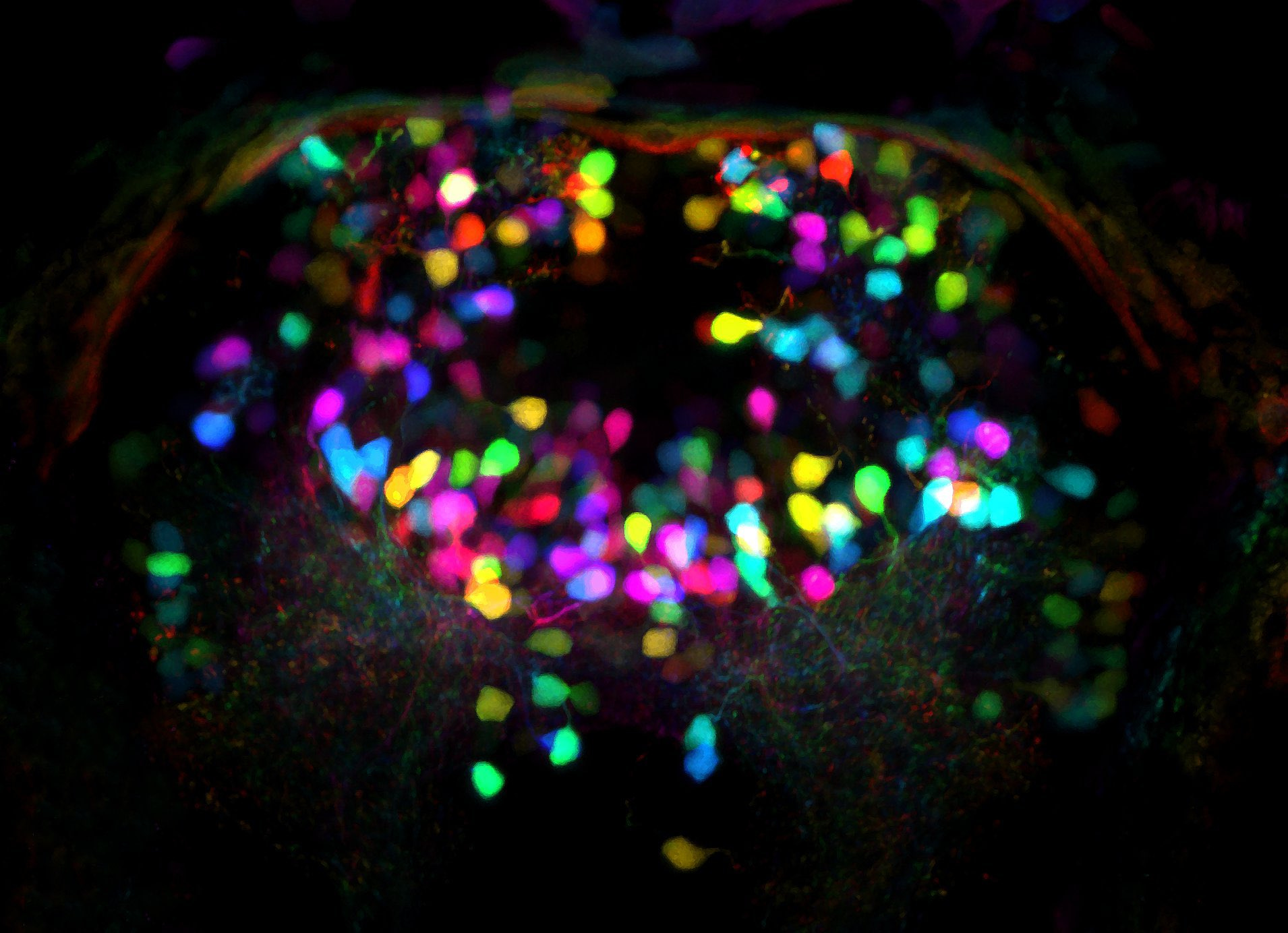
But this was merely the prologue. I spent the better part of the last 12 years in academia, where I immersed myself in the field of tissue engineering. This discipline strives to create new living tissues in the lab from cells and biomaterials. I chased various applications, such as disease modeling and regenerative medicine. The 3D living tissues that I grew in the lab would need to be characterized for their structure and function, often requiring fluorescent microscopy. As a result, much of my work was learning to capture images that communicated these results to my colleagues and for dissemination in academic journals. The resulting images were not only scientifically informative but were also often visually stunning. Some of these image highlights have been attached below for your viewing pleasure (Figures 2-5).
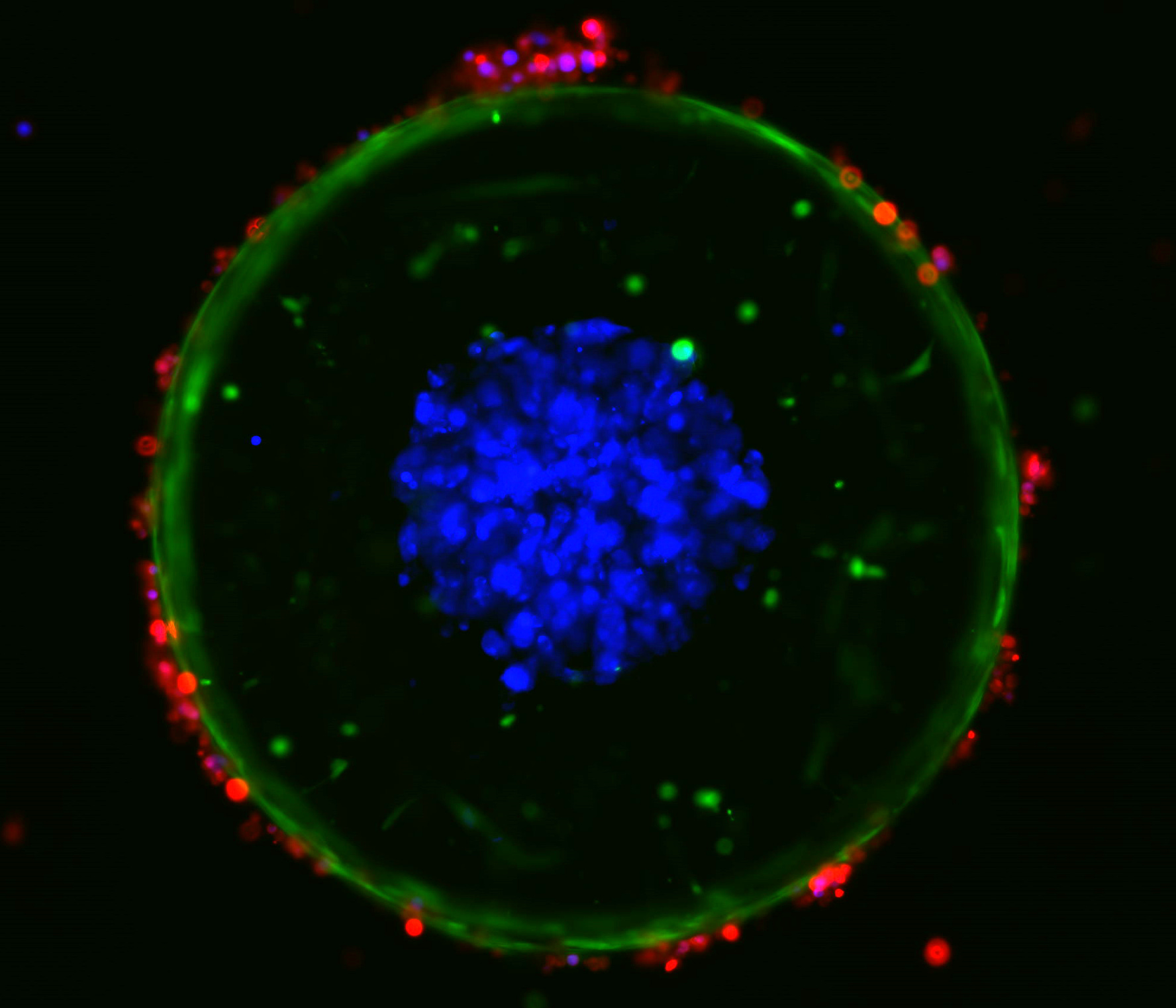
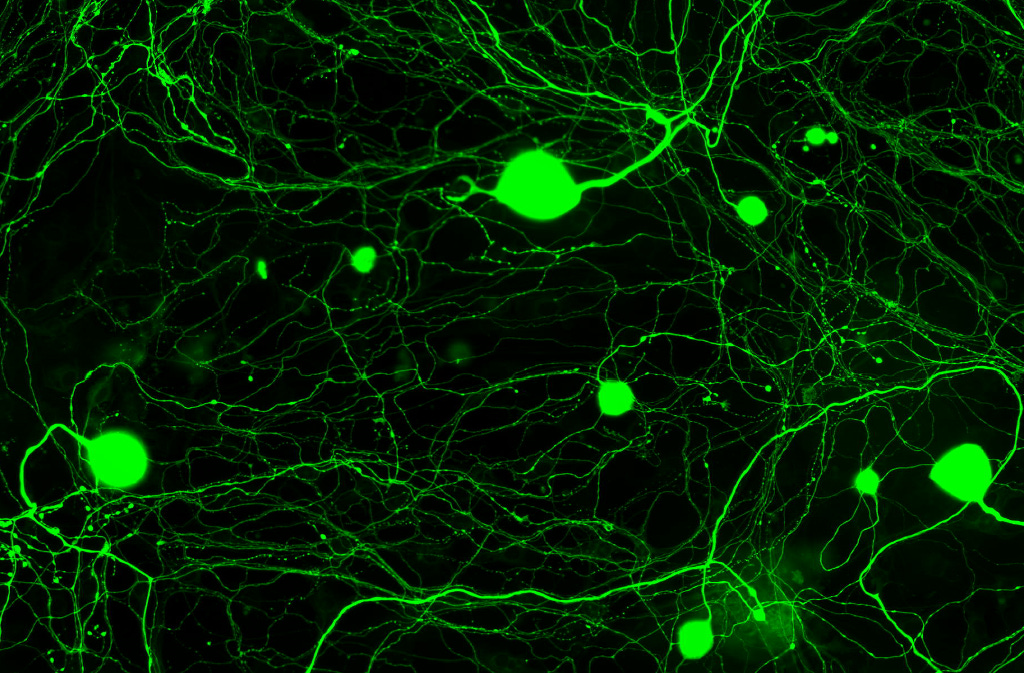
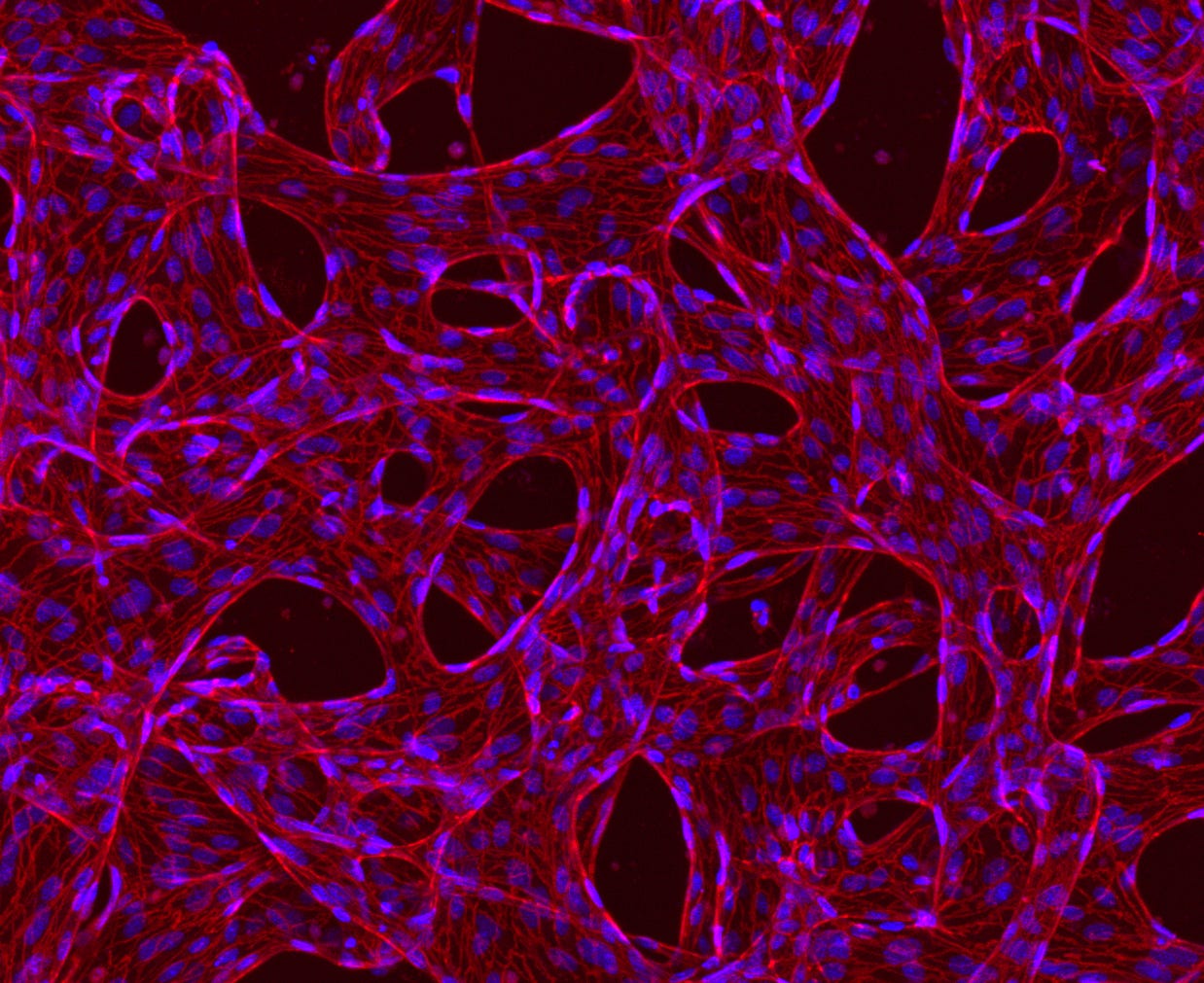
This leads to a pivotal inquiry: Are these beautiful pictures art, or do they represent something else? For that matter, what does it even mean for something to be art? As a scientist, I rarely thought about such questions. However, the undeniable beauty of some recent images from the lab has prompted a revisitation of this thought. I hope that delving into this topic may yield intriguing insights or, at the very least, allow us to appreciate some beautiful images together.
Where is the Line Between Art and Science?
Science and art are traditionally seen as distinct disciplines, each with its own methodologies and end goals. Science is rooted deeply in empiricism, measurement, and reproducibility, while art often strives to capture beauty in unique forms. Yet, in the domain of biological imaging, the line between these two disciplines starts to blur. This realm of science, where intricate details of life are visualized, raises a compelling question: Can the meticulous process of capturing life's complexities be considered an art form in its own right? This article explores the confluence of science and art through the lens of biological imaging.
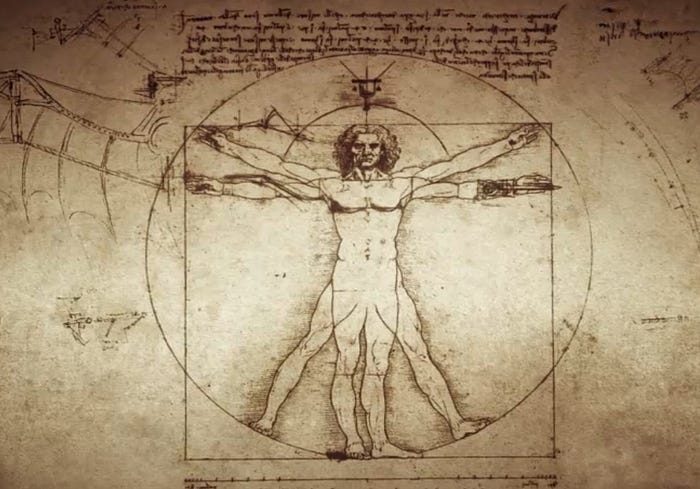
Art and science have shared a symbiotic relationship for centuries. Early scientists, in the absence of advanced technology, leaned on artistic skills to document their observations. Their journals were filled with detailed sketches of plants, animals, and celestial bodies. Leonardo da Vinci is a prime example; his anatomical drawings were not only artistic masterpieces but also meticulous scientific studies (Figure 6). These illustrations served a dual purpose: they were both a record of scientific discovery and a work of art, highlighting the intrinsic connection between observation, documentation, and artistic expression. As technology progressed, our methods of recording and visualizing the world evolved, though perhaps at the expense of the human creative touch.
In today's scientific landscape, biological imaging stands out as a testament to this evolution. Biological imaging typically utilizes microscopy to allow scientists to delve deep, visualizing the intricate details of life often hidden from the naked eye. The pioneers of microscopy had no cameras to capture their observations; they had to rely on their skill to draw what they saw. Today, our microscopes are equipped with high-resolution cameras that can capture detailed images even beyond the visual spectrum. For instance, immunohistochemistry (IHC), utilizes antibodies to identify specific proteins within tissue samples. When combined with fluorescence, these proteins light up in an array of colors, providing insights into cellular structures and pathological processes (Figure 7). The resulting images are rich in detail and vibrant in color, demonstrating a seamless integration of technology and biological discovery.

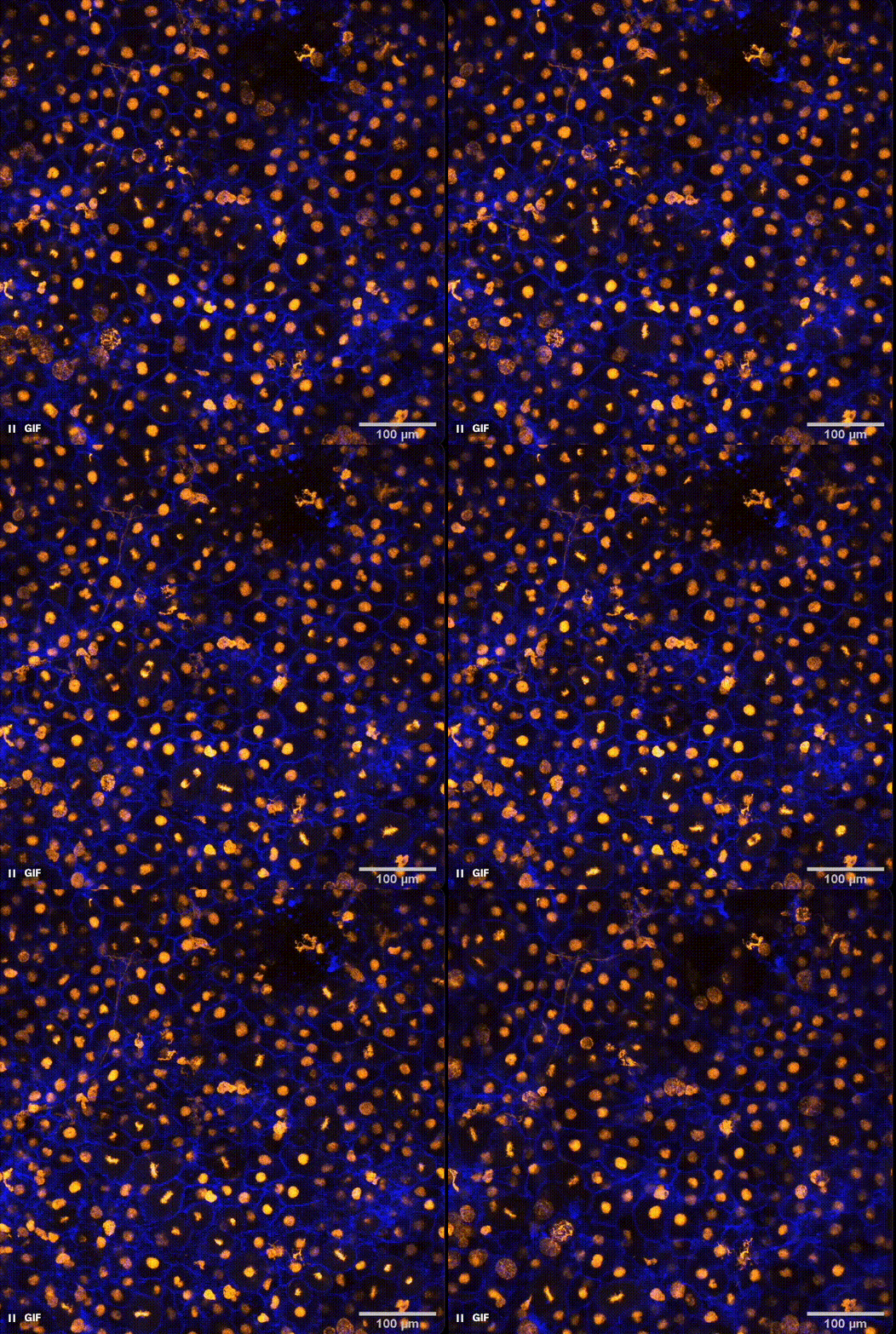
Biological images often possess an inherent beauty that can inspire awe, much like the wonder one might feel while looking at a grandiose mountain or the sparkling night sky. Although these images emerge from scientific inquiry, they stir emotions and curiosity akin to that evoked by natural wonders. The vivid colors, complex patterns, and captivating details of biological imaging are not man-made creations but the artistry of nature itself.
This leads us to a philosophical dilemma: Can phenomena that occur naturally, simply observed and recorded by technology, be classified as art? Traditional art is characterized by human intervention and creativity, whereas biological images are more about discovery than invention. They reveal the splendors of the biological world, akin to a photographer capturing the essence of an untouched landscape. In this light, the scientist acts not so much as an artist but as a curator or exhibitor, presenting nature's masterpieces.
When Does a Mountain Become a Work of Art?
The sight of a mountain can be breathtaking. Its towering presence, the interplay of frost and foliage, and the sheer majesty of its form can hold us spellbound. Yet, when we admire a mountain, we seldom label it as 'art'. It's a natural marvel, untouched and uncrafted by human hands. However, when a mountain is captured by a camera and processed into a photo or painted on a canvas, it transforms into 'art' in our minds. This dichotomy is curious and leads me to ponder about biology. Is it possible to view a living system, in all its complexity and vitality, as a form of art?
When Does Biology Become Art?
At first glance, biological imaging and traditional art appear to be on opposite ends of the spectrum—one is grounded in the pursuit of scientific knowledge, the other in the essence of human creativity. Yet, a closer examination reveals compelling similarities. Both strive to communicate information and can elicit emotional responses. An artist may use their canvas to express a sentiment or concept, while a biological image, with its inherent beauty, can provoke a sense of wonder about life's intricacies. The competencies involved—precision, meticulous attention to detail, and the ability to interpret—are common to both artists and scientists. An artist reimagines the world through their art, while a scientist interprets data, seeking the most impactful means of visualization.
The fundamental difference, however, lies in the source of inspiration. Traditional art emerges from the wellsprings of human creativity, while biological imaging uncovers the artistry embedded within nature itself. One is born from creation, the other from discovery. This leads us to question whether the act of uncovering nature's artistry, rather than inventing it, lessens its value as art. Or perhaps, it represents a distinct and equally profound form of artistic expression.
The interplay between science and art has a rich history, with each field enhancing the other in myriad and often surprising ways. Biological imaging exemplifies this interconnection, unveiling the secret splendors of life in a manner that engages both our intellect and our senses. Unlike traditional art, which is conjured from human imagination, biological images present a glimpse of nature's own masterpiece, replete with patterns and colors that can compete with any creation of human hands (Figure 8). Regardless of whether we categorize these images as art, science, or a fusion of both, their true power lies in their ability to make us pause and reflect on the beauty and complexity of the world, igniting our curiosity about the myriad mysteries yet to be unraveled.
Do I think medical imaging is art?
Before I share my view, let’s consider a formal definition of art. A quick Google search online gives the following:
“The expression or appreciation of human creative skill and imagination, typically in a visual form such as painting or sculpture, producing works to be appreciated primarily for their beauty or emotional power.”
By this definition, much of biological imaging might not traditionally qualify as art. Here's my rationale:
Historically, a significant amount of creativity was involved in preparing a sample for imaging and in the image post-processing stages, such as adjusting contrast, brightness, histogram, and other attributes. Yet, the evolution of biological imaging has seen these processes become increasingly automated, driven by technology to ensure consistency and reproducibility. This shift raises questions about the role of human creativity in creating these images. If the essence of art lies in human creative skill and imagination, then standardizing these inputs and outputs and replacing human involvement with technology certainly reduces their artistic value by definition. It is quite the paradox that the technology that is making these images increasingly beautiful makes them definitionally further from being considered art.
Furthermore, the human-centric nature of the definition prompts me to ponder the status of images generated by artificial intelligence. By the strictest interpretation, these AI-generated images would fall outside the domain of art, being the product of non-human entities. However, could we argue that since AI is trained on human-generated data, its outputs are indirectly shaped by human creativity and, thus, could be seen as a new art form?
In light of these considerations, I turn the question over to you, the readers:
Do you consider biological images to be art?
I invite you to cast your vote in the poll and share your thoughts in the comments. Let's explore this dialogue together and see where our collective insights lead us.
Support:
These newsletters take a significant amount of effort to put together and are totally for the benefit of the reader. If you find these explorations valuable, there are multiple ways to show your support:
Engage: Like or comment on posts to join the conversation.
Subscribe: Never miss an update by subscribing to the Substack.
Share: Help spread the word by sharing posts with friends directly or on social media.
Interesting and, yes, beautiful, in much of the way that an infinite number of aspects of the natural world are inherently and wonderfully beautiful. But calling it art is a subjective decision that seems more of a personal issue. In any case I submit that this essay, well written as it is, does not play to your strength, David. That is true of the excellent explications on potentially groundbreaking medical topics – a great public service to the benefit of all your readers.
Thought provoking as always, David. Thanks. Stunning images, especially those blood vessels and neurons.
I'm going down the path of sitting between options 2 and 3. I think the hand of humans in the process (the decision of what to image, the choice of fluorophores, the settings used, the composition, the trawling of sections under a microscope etc) can lead to this being classified as art.
Equally, the more spiritual part of me considers that all nature is art. Life is the intricate dance of physics, biochemistry etc. Sometimes I feel that is an artform.
Oh and PS, we have an artist-in-residence at one of the labs in our institute.