
Happy Monday Evening, Readers. Let’s be relentless this week!
To my fellow Americans, I hope you all enjoyed the Thanksgiving Holiday. I know I personally took some much-needed time off to travel, and am just arriving back in Texas. But don’t worry, I still have found quite a few interesting pieces of biotech-related news to share with you all.
Fat Cells Have a Memory Making Long Term Weight Loss Challenging!
Stress Changes the Way We Remember!
The Discovery of a Sabre-Toothed Cat Mummy
A New Surgical Approach Shows Promise for Alzheimer’s Disease
One small request before we start - if you are one of the many readers who are not currently subscribed to Neural Nexus, please consider doing so to receive this weekly newsletter to your email. The goal is to build a community here we are proud of, where we can discuss emerging trends at the intersection of technology and biology, along with fun and diverse deep dives. I am hoping we can grow this community to 500 subscribers by the end of 2024. I think this is more than achievable if we work together!
Without any more delay, let’s dive right into this weeks news!
Fat Cells Have an Epigenetic Memory Making Long Term Weight Loss Challenging!
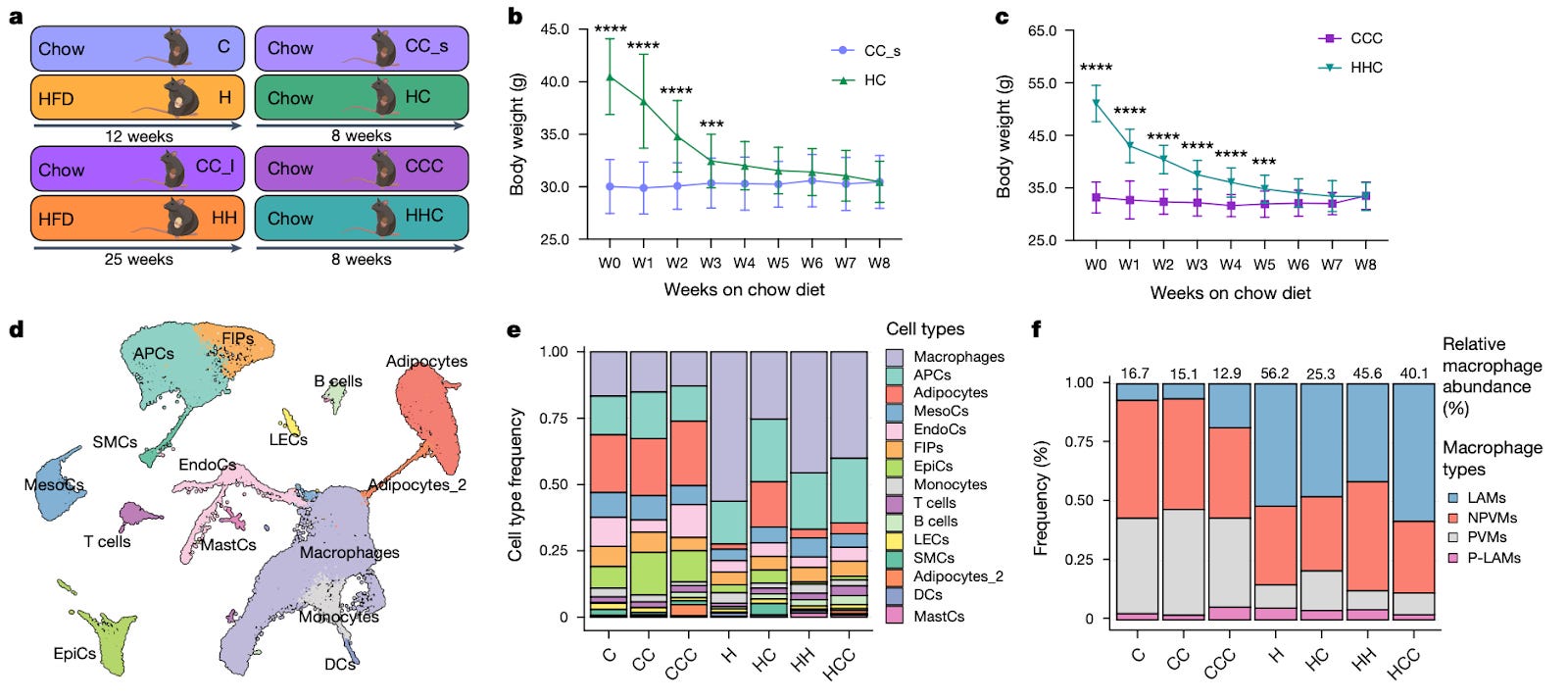
Weight loss is hard! But for anyone who has been on a weight loss journey, they’ll tell you that keeping it off can be even harder. For years, weight loss strategies have focused on achieving short-term clinical outcomes, often overlooking the long-term challenges of maintaining these results. While interventions like bariatric surgery (reducing the size of the stomach) and strict dietary changes can lead to substantial weight reduction short-term, many individuals experience significant weight regain over time. In fact, research shows that only around 20% of overweight individuals successfully maintain long-term weight loss, defined as losing at least 10% of body weight and keeping it off for a year or more (Rena & Phelan, 2005). This phenomena of significant weight loss and and regain has been termed the "yo-yo effect”, and is a frustrating reality for those struggling with obesity.
You’re probably thinking that this weight rebound is a result of reversion to old habits and behaviors; that the gradual loss of consistency is the key factor in the “yo-yo effect”. But could there be more? Might there be a deeper underlying mechanism beyond discipline that is key to understanding why long-term weight loss is not sustained?
A recent study published in Nature attempted to answer this question. The researchers found that obesity may leave a lasting mark on adipose tissue, even after significant weight loss (Hinte et al., 2024). Researchers discovered that both human and mouse adipocytes (fat cells) retain memory, e.g., transcriptional and epigenetic changes, associated with obesity long after weight loss. This phenomenon, termed "obesogenic memory," could help explain why individuals often struggle with weight regain after losing significant amounts, the "yo-yo effect." The study utilized cutting-edge RNA sequencing and epigenetic analyses to uncover how obesity-induced changes persist at a molecular level, offering new insights into metabolic memory.
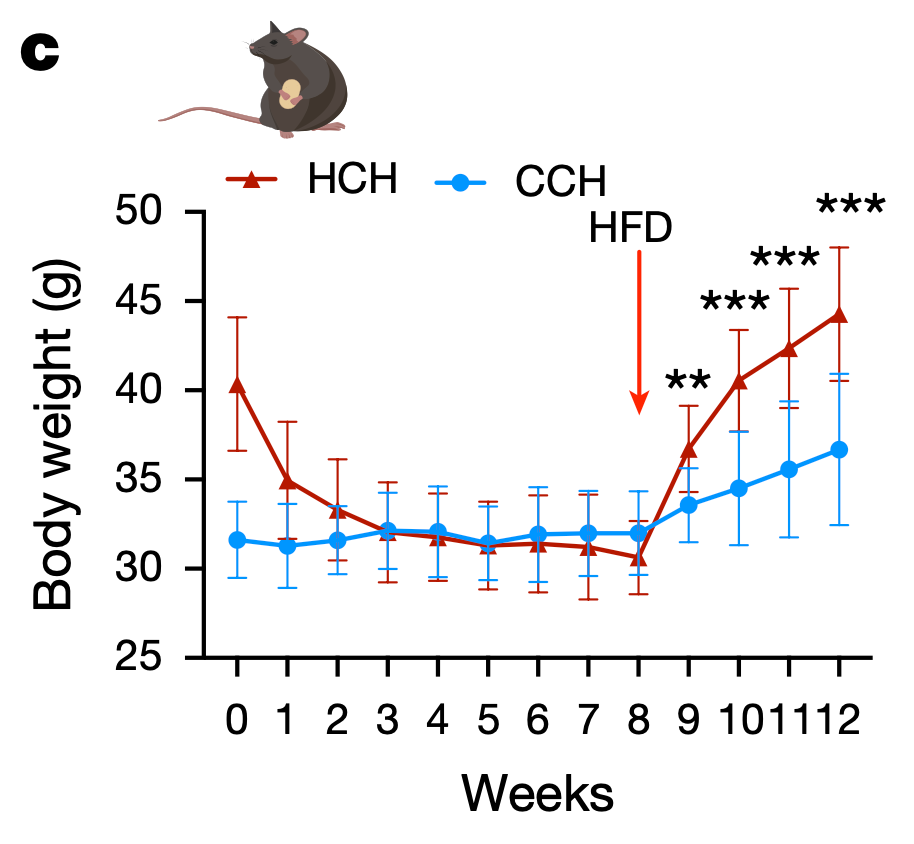
A key finding of this study is the persistence of epigenetic modifications, how genes are coded and regulated, prime adipocytes for pathological responses when re-exposed to an obesogenic environment. These changes are not easily reversed through weight loss alone, suggesting that the body's metabolic system "remembers" its previous obese state. The researchers discovered that mouse adipocytes, even after returning to a lean state, continued to exhibit altered transcriptional profiles, especially related to inflammatory processes and tissue remodeling. These alterations could increase the risk of rapid weight regain upon re-exposure to high-fat diets, as shown in their experiments with mice.
This research opens the door to potential therapeutic strategies aimed at targeting this epigenetic memory to improve long-term weight management. If these epigenetic changes are confirmed to play a significant role in human obesity and weight regain, therapies that can reverse or mitigate this memory may be key to achieving sustainable weight loss. The findings could also have broader implications for other metabolic disorders linked to obesity and weight cycling, highlighting the need for more effective treatments that go beyond traditional behavioral and dietary interventions.
Stress Changes the Way We Remember!
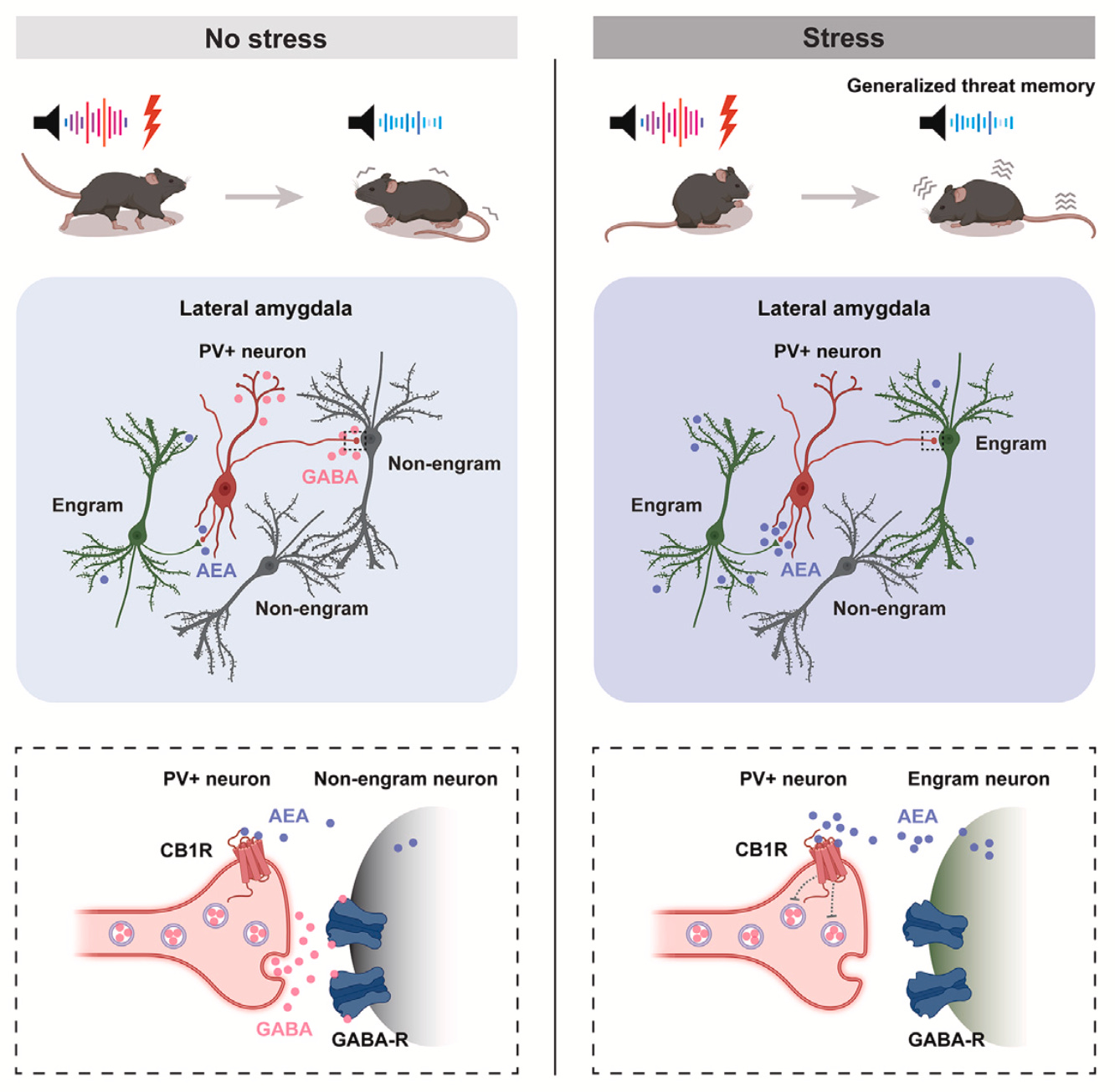
We’ve all experienced how stress can make memories feel sharper or more intense. But what happens when stress causes our memories to become too broad or generalized? A recent study in Cell explores this idea, focusing on how stress can cause the brain to remember threats in a way that is less precise, leading to confusion about what’s dangerous and what’s safe (Lesuis et al., 2024). This type of memory overgeneralization is seen in conditions like PTSD, where harmless situations can trigger intense fear, and understanding it better could help in treating these disorders.
The research shows that stress, particularly the hormone corticosterone, causes the brain’s memory system, specifically in the amygdala, to store threat memories in a way that involves more brain cells than usual. This "overcrowding" of the brain's memory network makes it harder for the brain to separate different types of threats. In simpler terms, stress messes with the brain’s ability to remember a specific danger—like a scary experience in one place—and instead causes it to overreact to other similar but safe situations. The study identified a molecule, endocannabinoids (which are naturally produced in our bodies), as a key player in this process. When the stress hormone boosts endocannabinoid activity, it disrupts the brain’s ability to control which cells are involved in forming these memories, leading to broader, more generalized fear responses.
What’s exciting about this discovery is that it offers a potential pathway for treatments. By targeting the system that causes this memory overgeneralization, scientists might be able to help people with PTSD and anxiety reduce their overactive fear responses. This could be a big step forward in improving how we understand and treat stress-related disorders, providing a new way to help people feel safer in their daily lives.
The Discovery of a Sabre-Toothed Cat Mummy
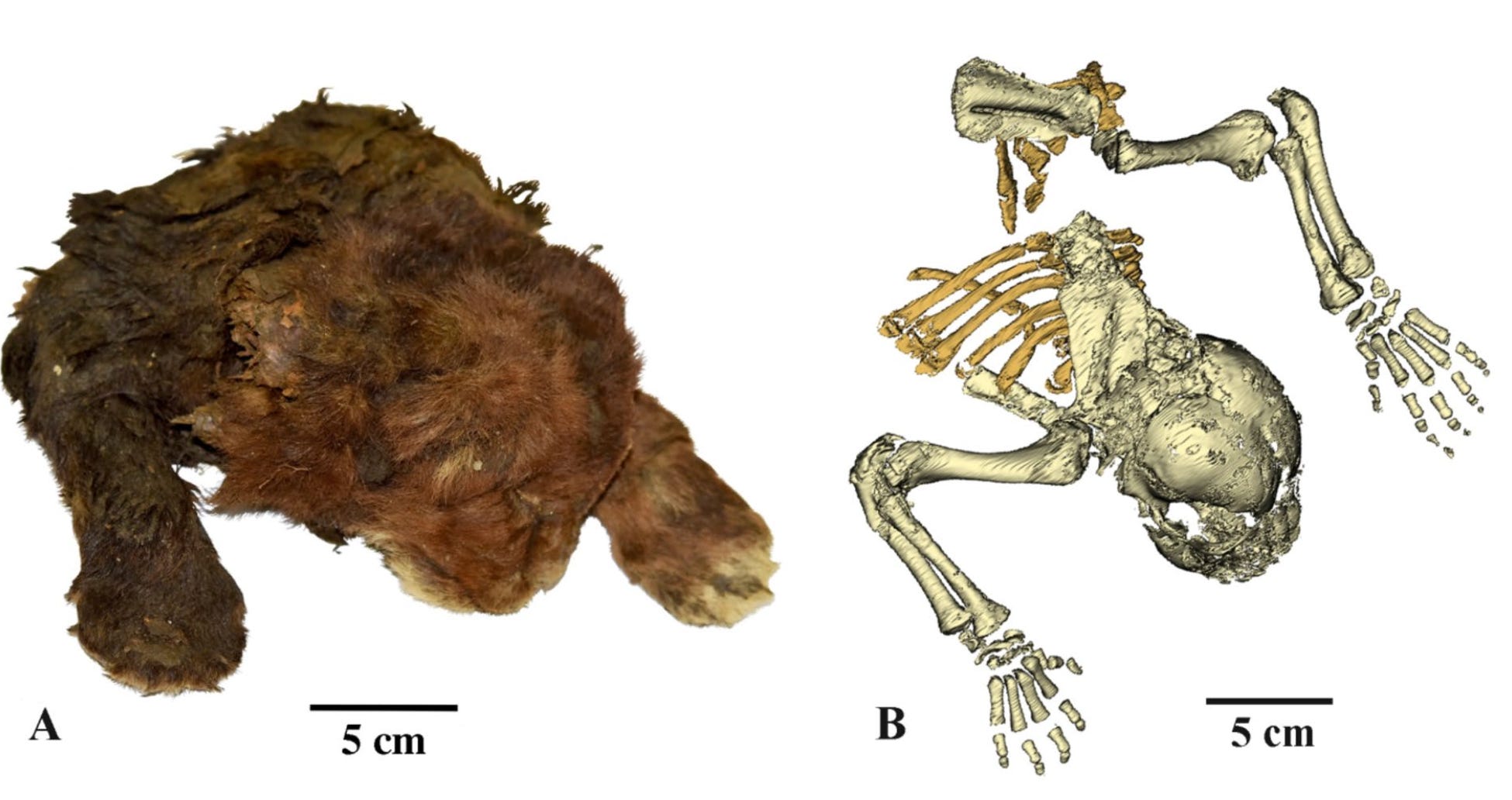
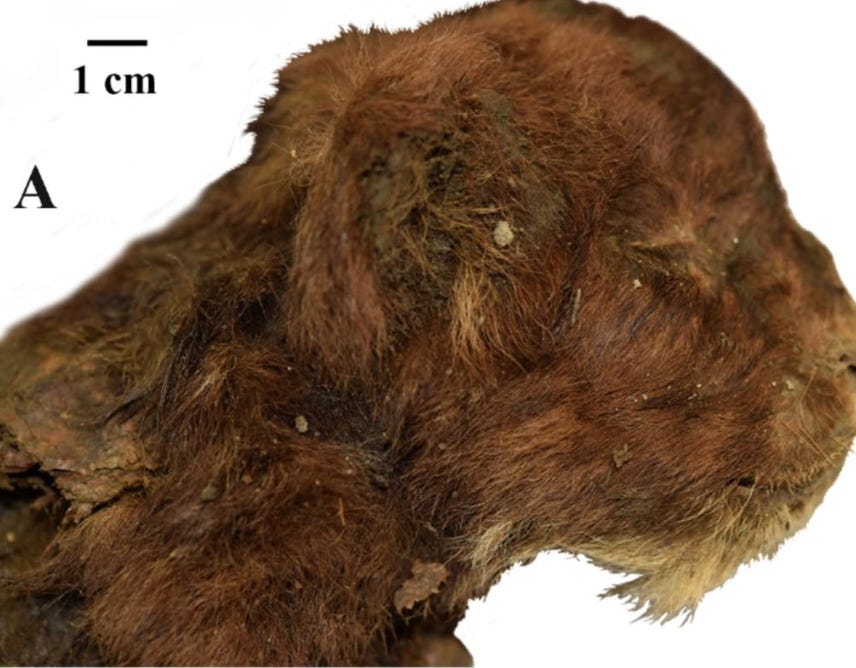
On rare occasions, we are lucky enough to come across well-preserved ancient remains that give a glimpse into the prehistoric past. Recently, one such remarkable discovery, a frozen mummy of a juvenile sabre-toothed cat, Homotherium latidens, was found in the Upper Pleistocene permafrost of Siberia (Lopatin, et al., 2024). This extraordinarily preserved creature, dates back approximately 31,000 years, providing a rare glimpse into the life of an apex predator that once roamed the Earth. Unlike modern big cats, this young sabre-toothed cat displayed distinct anatomical features, including a massive neck and long forelimbs, which likely contributed to its unique hunting strategies. The mummy's well-preserved condition allowed scientists to study anatomic features including its fur, facial structure, and even the shapes of its paws. These key details help to both phylogenically classify the animal and provide new insights into the physiology and behavior of Homotherium.
The mummy, which was found in the Yedoma horizon along the Badyarikha River in the Republic of Sakha (Yakutia), shows significant differences from modern lion cubs. Tomographic analysis confirmed that the specimen belonged to the genus Homotherium, a member of the Machairodontinae subfamily known for its distinctive long, curved teeth. The mummy's relatively long and powerful neck suggests it was adapted for a different type of predation compared to modern big cats like lions and tigers. This discovery is particularly important because it represents the first Homotherium find from the Late Pleistocene in Asia, significantly expanding the geographical understanding of this species.
The discovery also helps clarify how Homotherium cubs grew and developed. Unlike modern lions, whose skulls and limbs show more typical growth patterns, the juvenile Homotherium displayed unusual features, including a large mouth opening and a more robust musculature in its neck and forelimbs. These adaptations, coupled with its large facial region, likely provided it with unique advantages in hunting. The mummy is now offering paleontologists an invaluable window into the life of this extinct species and its survival strategies in the harsh climates of the Pleistocene.
A New Surgical Approach to Alzheimer’s Disease: Unclogging the Brain’s Waste Disposal System
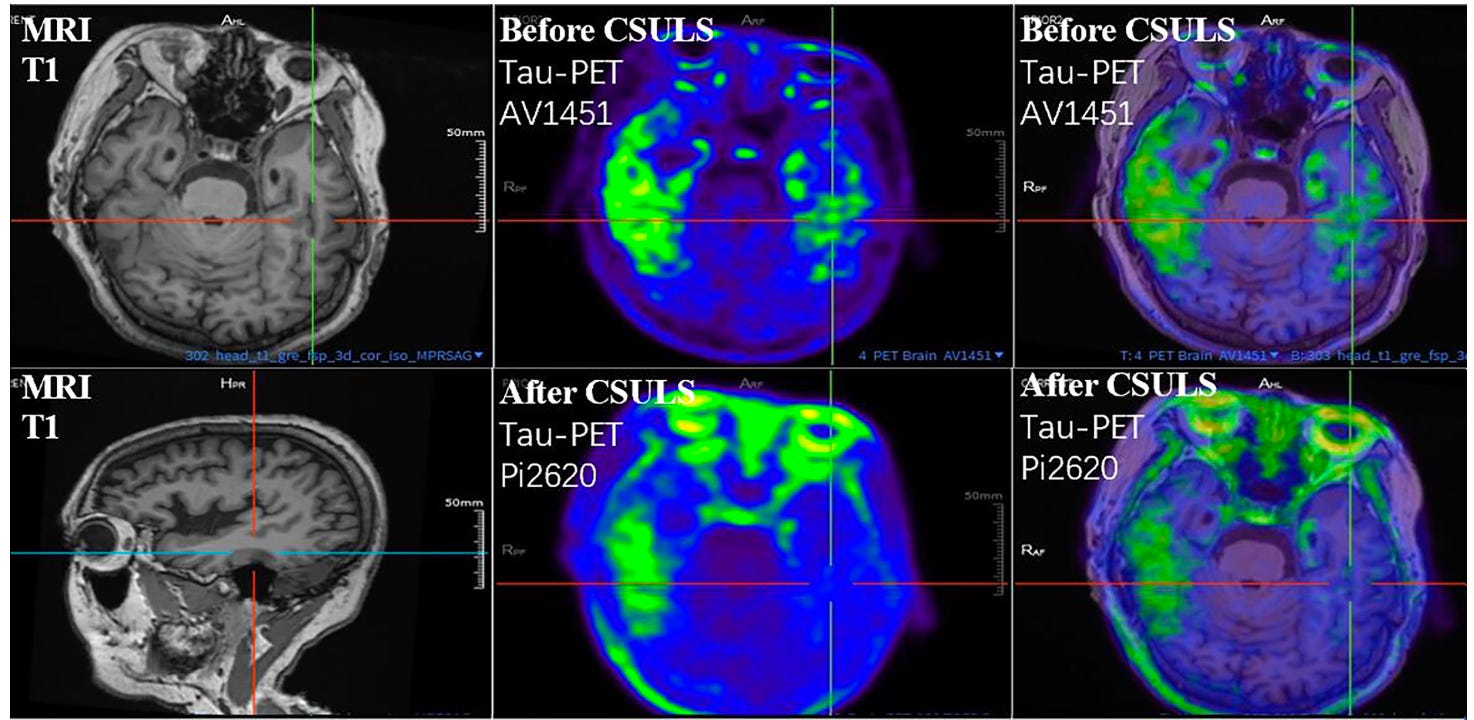
A promising new surgical procedure is offering hope for Alzheimer's patients. A recent study details a minimally invasive surgery aimed at improving the brain's natural waste clearance system, which is often impaired in Alzheimer's disease (AD) (Li et al., 2024). Known as the glymphatic system, this process helps clear harmful proteins like beta-amyloid and tau from the brain. When it’s blocked, as seen in AD, these proteins accumulate and contribute to the disease's progression. Researchers developed a surgical method called Cervical Shunting to Unclog cerebral Lymphatic Systems (CSULS), which aims to alleviate these blockages and potentially slow cognitive decline.
The procedure involves creating a connection between the cervical lymphatic vessels and the veins, which reduces the pressure in the lymphatic system, allowing cerebrospinal fluid to flow more easily and clear waste from the brain. After performing this surgery on a 70-year-old patient with Alzheimer's, the results were striking. Just five weeks after the operation, cognitive function showed improvements, including better memory and mood. Brain scans also confirmed positive changes, with reduced tau buildup and increased brain glucose metabolism. While the patient’s cognitive score improved slightly, the most notable recovery was in daily functions, like remembering people and performing household tasks.
Though this is a small trial, these results suggest that this innovative procedure could become an important treatment option for Alzheimer's, offering a way to address one of the disease's root causes. As the procedure is non-invasive and relatively simple, it may open the door to new, more accessible ways to manage or even prevent the progression of Alzheimer’s disease.
Support:
These newsletters take a significant amount of effort to put together and are totally for the benefit of the reader. If you find these explorations valuable, there are multiple ways to show your support:
Engage: Like or comment on posts to join the conversation.
Subscribe: Never miss an update by subscribing to the Substack.
Share: Help spread the word by sharing posts with friends directly or on social media.
References:
Hinte, L.C., Castellano-Castillo, D., Ghosh, A., Melrose, K., Gasser, E., Noé, F., Massier, L., Dong, H., Sun, W., Hoffmann, A. and Wolfrum, C., 2024. Adipose tissue retains an epigenetic memory of obesity after weight loss. Nature, pp.1-9.
Lesuis, S.L., Park, S., Hoorn, A., Rashid, A.J., Mocle, A.J., Salter, E.W., Vislavski, S., Gray, M.T., Torelli, A.M., DeCristofaro, A. and Driever, W.P., 2024. Stress disrupts engram ensembles in lateral amygdala to generalize threat memory in mice. Cell.
Li, X., Zhang, C., Fang, Y., Xin, M., Shi, J., Zhang, Z., Wang, Z. and Ren, Z., 2024. Promising outcomes 5 weeks after a surgical cervical shunting procedure to unclog cerebral lymphatic systems in a patient with Alzheimer’s disease. General Psychiatry, 37(3).
Lopatin, A.V., Sotnikova, M.V., Klimovsky, A.I., Lavrov, A.V., Protopopov, A.V., Gimranov, D.O. and Parkhomchuk, E.V., 2024. Mummy of a juvenile sabre-toothed cat Homotherium latidens from the Upper Pleistocene of Siberia. Scientific Reports, 14(1), p.28016.
Rare Sabertooth Floppa W